

Sri Aurobindo
Sri Aurobindo, born Aurobindo Ghose on August 15, 1872, in Calcutta, was a pivotal figure in India's independence movement and spiritual evolution. Educated in England at Cambridge, he returned to India in 1893 to serve in Baroda, where he immersed himself in Indian culture and began yoga practice around 1904. His life shifted dramatically after profound spiritual experiences in Alipore Jail during 1908-1909, leading him to abandon revolutionary politics in 1910 for Pondicherry, then a French territory.
Early Nationalism
Sri Aurobindo actively promoted complete independence from British rule through writings in Bande Mataram and leadership in groups like Anushilan Samiti. Arrested in the Alipore Bomb Case, he was acquitted amid spiritual visions, including encounters with Swami Vivekananda and Krishna, reshaping his worldview beyond mere political freedom.
Spiritual Retreat
In Pondicherry, he developed Integral Yoga, aiming to transform human nature by uniting spirit and matter, as outlined in The Life Divine and The Synthesis of Yoga. In 1926, he co-founded the Sri Aurobindo Ashram with Mirra Alfassa (The Mother), attracting disciples and growing into a spiritual community.
Major Works
His epic poem Savitri explores divine destiny, while philosophical treatises like The Human Cycle envision societal evolution toward a divine life on earth. From 1914, his journal Arya disseminated these ideas, influencing global spirituality.
Later Years
Later Years Retiring to complete silence in 1926 for inner work, Aurobindo guided the ashram through The Mother until his passing on December 5, 1950.
Sri Aurobindo
Strange powers and influences touched his life.
उल्लासयन् कुवलयं र्वलस्मितेन
न्ननघ्नन् तमांन्नस महसा तपनेन्नितेन।
आगान्नम न्नित्रबहुलं कुशलं दर्ानः
श्रीमान् न्नवर्ान्नत र्गवानरन्नवन्दनाथः॥His smile, moon-white, joys the earth into blossoming;
Sri Kapali Sastriar
his flaming eye of Light destroys the darknesses;
the weal of the Future picturesque he holds in his palm;
resplendant shines forth the Lord, Sri Aurobindo.
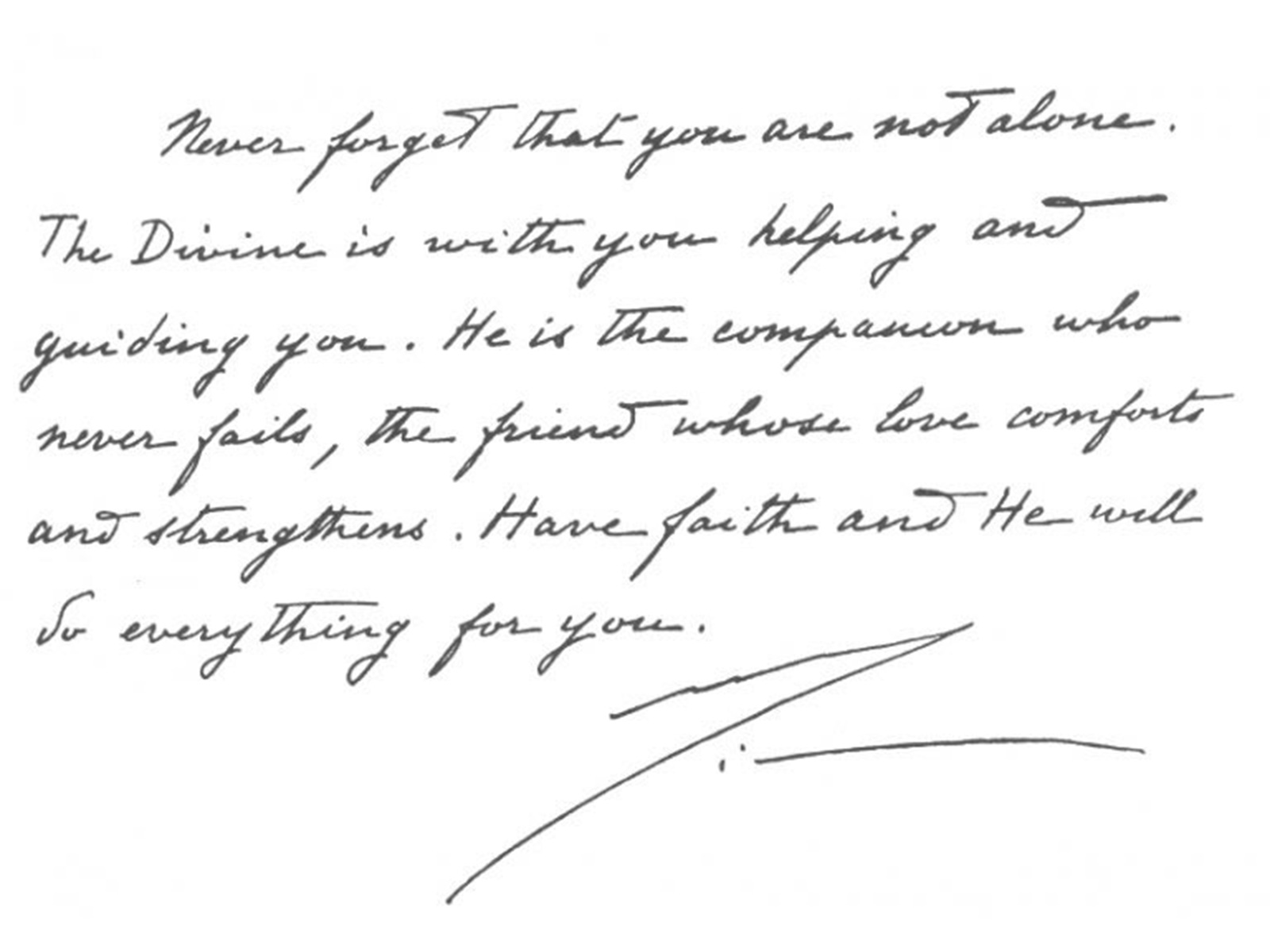
Never forget that you are not alone.
The Divine is with you helping and guiding you.
He is the companion who never fails,
the friend whose love comforts and strengthens.
Have faith and He will do everything for you
The Mother on Sri Aurobindo's Birth
The Eternal Birth
15th August 1872
Physically, it means that the consciousness of this birth will last as long as the Earth. The consequences of Sri Aurobindo's birth will be felt throughout the entire existance of the Earth......
Mentally, it is a birth the memory of which will last eternally. Through the ages Sri Aurobindo's birth will be remembered, with all the consequences it has had....
Psychically, it is a birth which will recur eternally, from age to age, in the history of the universe. This birth is a manifestation which takes place periodically, from age to age, in the history of the Earth.....
And finally, from the purely spiritual point of view, it will be said that it is the birth of the Eternal on Earth. For each time the Avatar takes a physical form it is the birth of the Eternal himself on Earth.
-The Mother
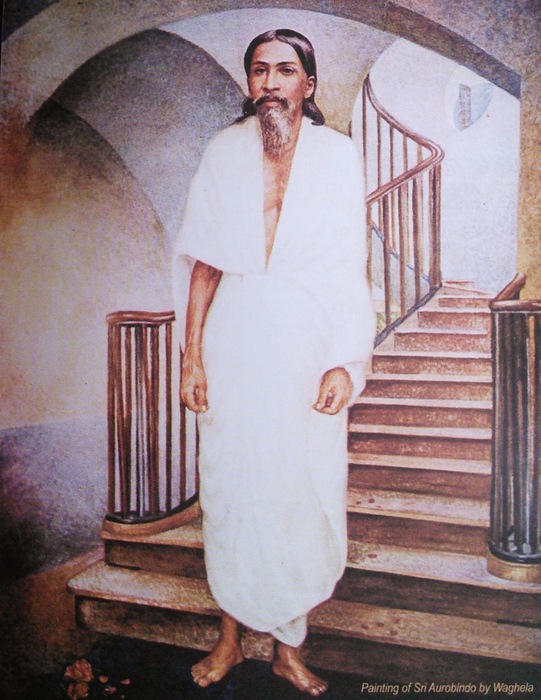
Sri Aurobindo
In the eternity of becoming, each Avatar is only the announcer, the forerunner of a more perfect realisation. And yet men have always the tendency to deify the Avatar of the past in opposition to the Avatar of the future. Now again Sri Aurobindo has come announcing to the world the realisation of tomorrow; and again his message meets with the same opposition as of all those who preceded him. But tomorrow will prove the truth of what he revealed and his work will be done.
The Mother
It is not for personal greatness that I am seeking to bring down the Supermind. I care nothing for greatness or littleness in the human sense … If human reason regards me as a fool for trying to do what Krishna did not try, I do not in the least care … It is a question between the Divine and myself — whether it is the Divine Will or not, whether I am sent to bring that down or open the way for its descent or at least make it more possible or not. Let all men jeer at me if they will or all Hell fall upon me if it will for my presumption — I go on till I conquer or perish.1
— Sri Aurobindo
What Sri Aurobindo represents in the world's history is not a teaching, not even a revelation; it is a decisive action direct from the Supreme.
The Mother
Man is Nature’s great term of transition in which she grows conscious of her aim; in him she looks up from the animal with open eyes towards the divine ideal.
Sri Aurobindo